Tolerance is respect, acceptance and appreciation of the rich diversity of our world’s cultures, our forms of expression and ways of being human.
UNESCO – Declaration of Principles on Tolerance
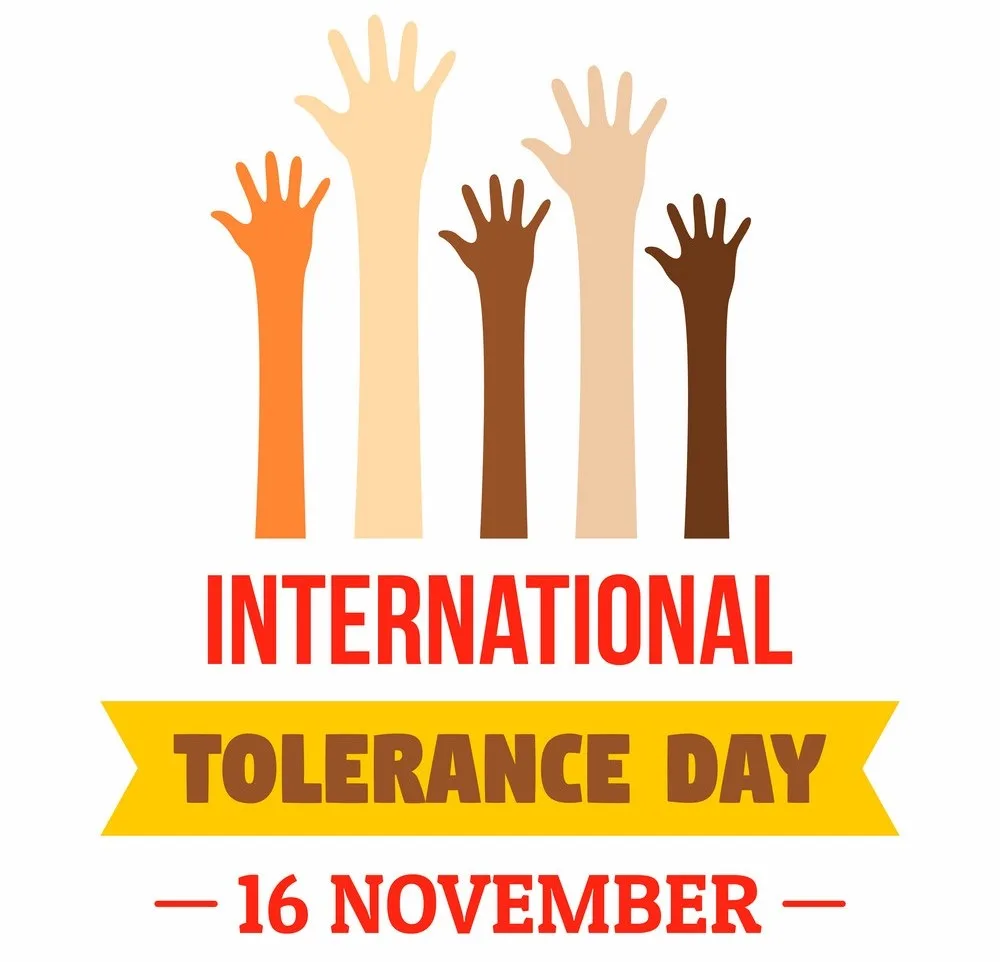
The International Day for Tolerance is observed on 16 November with the aim of raising awareness about the importance of mutual respect, understanding, and the appreciation of diversity, as well as building a society in which every individual has the right to dignity, freedom, and equality.
This date was established by UNESCO in 1995, when the Declaration of Principles on Tolerance was adopted, recognizing tolerance as one of the fundamental principles of peace, democracy, and human rights.
Tolerance entails not only the acceptance of diversity but also a willingness to engage in dialogue and to understand different viewpoints, cultures, traditions, beliefs, and ways of life. It involves rejecting discrimination, prejudice, stereotypes, and all forms of intolerance, while consistently respecting human dignity and the equal rights of every person.
Education, culture, and the arts play a particularly important role in fostering a culture of tolerance; by learning about diverse cultural expressions, traditions, and identities, we build mutual trust, solidarity, and a sense of community. Culture serves as a space for encounter, dialogue, and the exchange of ideas, contributing to better understanding among people and communities. The International Day for Tolerance is an opportunity to remind ourselves that differences are not an obstacle to unity, but rather an asset that contributes to the development of an open, just, and democratic society. Fostering tolerance is not a duty to be observed on just one day of the year, but an ongoing responsibility of every individual and the entire community.
Tolerance is the only thing that enables people of different faiths to live as good neighbors and friends.
Mahatma Gandhi