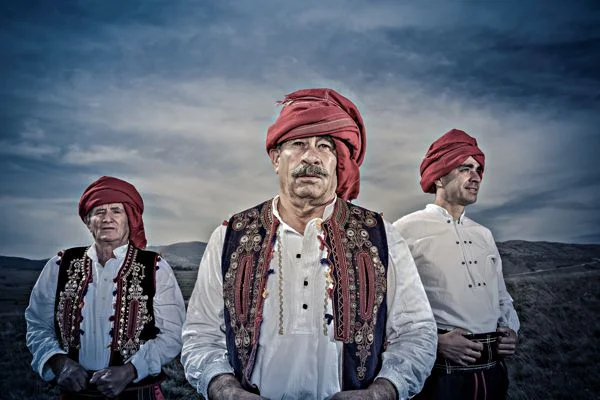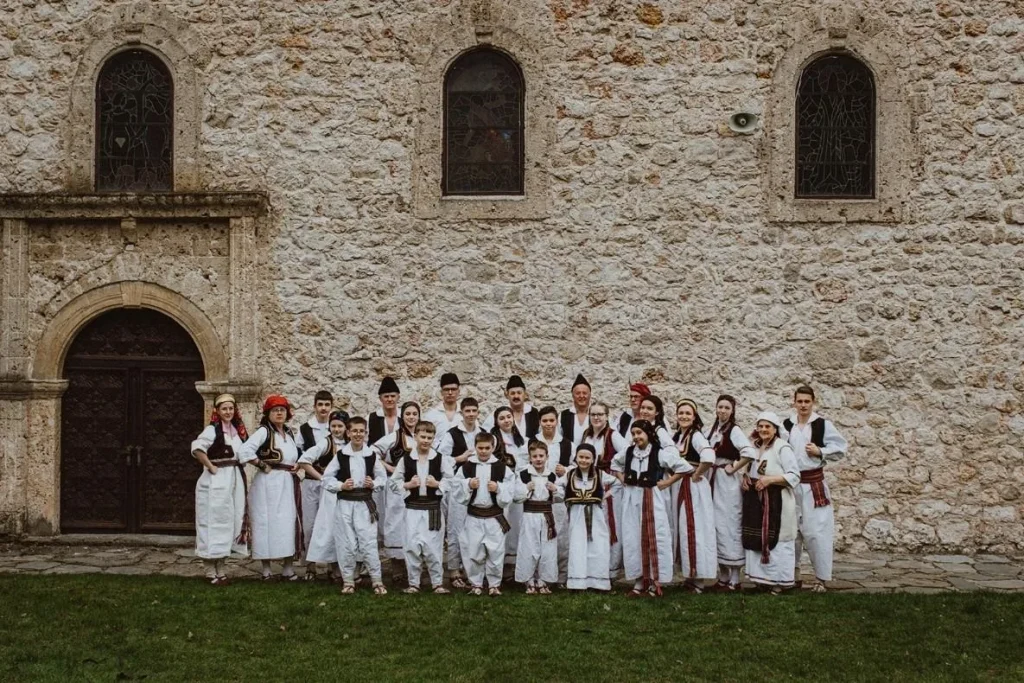
Svatovac is a traditional vocal song of the Croats of Central Bosnia, preserved and practised primarily in the area of the Lašva Valley and surrounding settlements, with particular emphasis on Paklarevo and the area of the Municipality of Travnik. The element is deeply rooted in the local identity of the community and represents an important part of the collective memory and cultural practice of the population. Although svatovac is known to most inhabitants of the target area, active performance practice is today limited to a small number of singers and singing groups, primarily those gathered around the Izvorno folklorno društvo Paklarevo.
Melodic and structural characteristics
The melodic structure of svatovac is highly demanding, but has clearly defined phrases and a limited tonal range. It is precisely this specificity that has enabled the long-term continuity of performing and transmitting the song exclusively in the area of Central Bosnia, without any prior systematic need for musical notation or formal music education.
All recorded songs are performed a cappella, without instrumental accompaniment.
Functional context of performance
Svatovac is transmitted orally, from generation to generation, within families, village communities and local singing groups, while retaining its recognisable original form.
Although the name of the song points to wedding customs, svatovac is not exclusively linked to the wedding ceremony. Traditionally, it was also performed on other social and life occasions, such as work in the fields, spinning gatherings, evening gatherings, family and village social gatherings, and the observance of religious holidays. In this way, svatovac transcends a narrowly ritual function and becomes an integral part of the community’s everyday life and social communication.
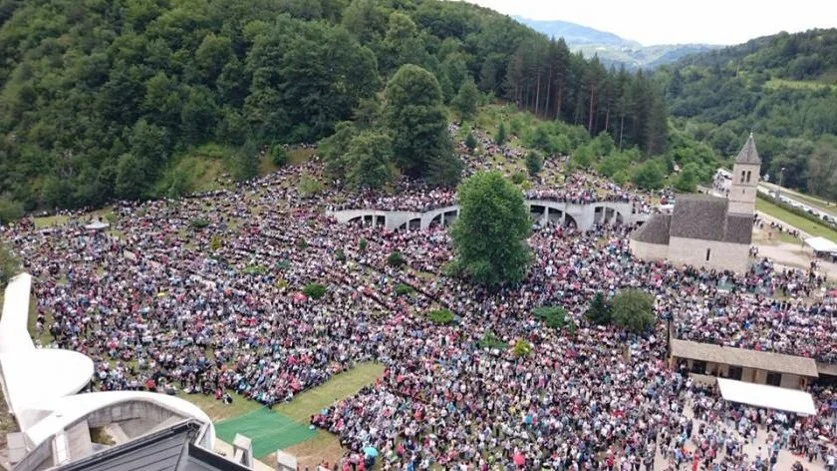
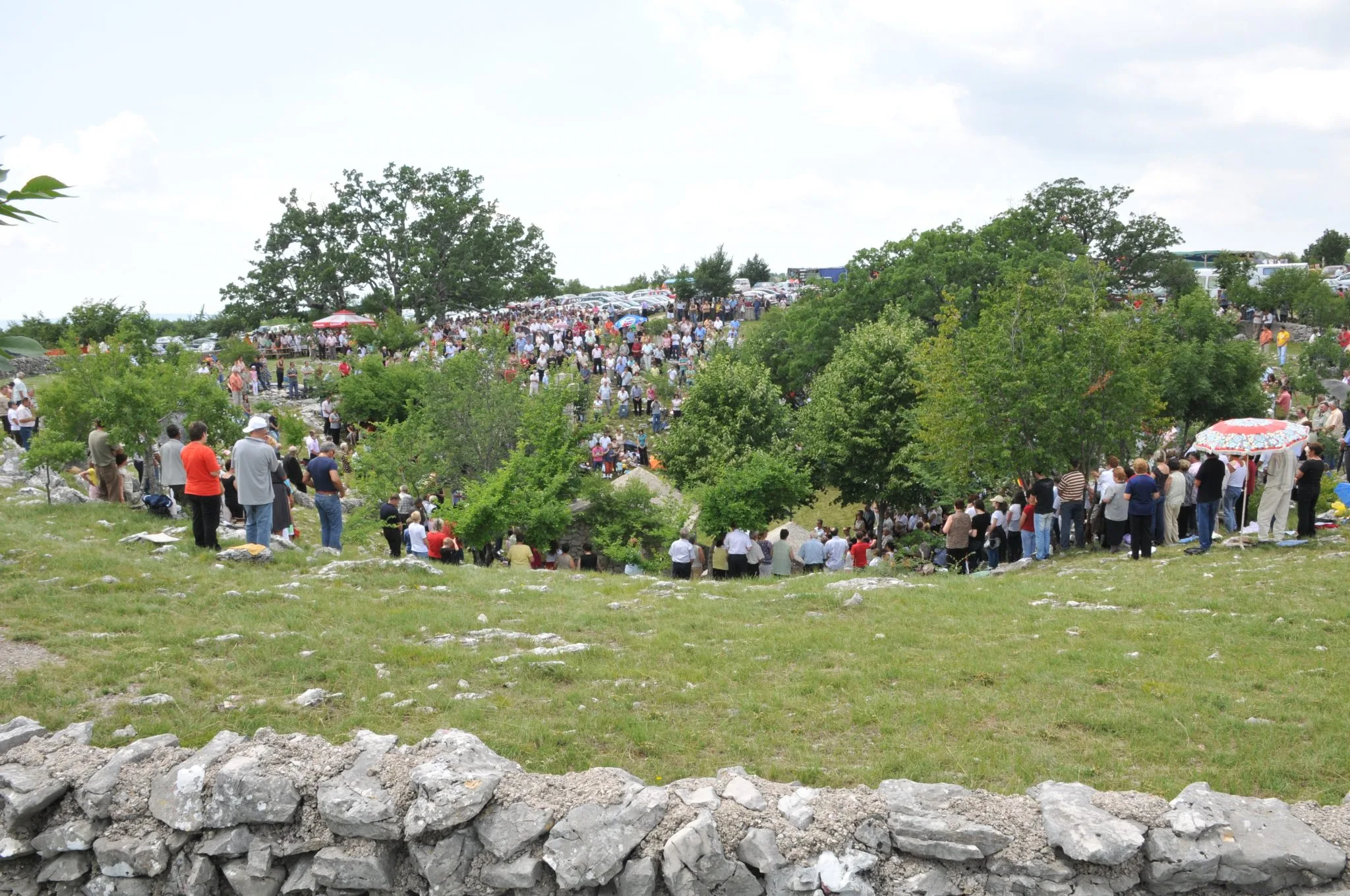
At such gatherings and traditional mowing events, the “svatovac” song was traditionally performed as an integral part of the customs and life of the Croats of Central Bosnia. From the IFD Paklarevo archive