Ganga is a rural polyphonic musical-poetic form belonging to the ancient, centuries-old pentatonic tonal system. It emerged around 1900 in particular social and spatial conditions of the creation of oral cultural heritage, where oral literature until quite recently constituted the main form of spiritual creativity. In specific subtypes, which differ from place to place, it occurs across a wide area of the Dinaric karst, in rural communities where livestock farming was one of the most important branches of agriculture. Along with the former semi-nomadic way of life of livestock breeders, ganga migrated and encompassed areas marked by livestock routes.
Sung in decasyllabic verse, ganga has recorded every occurrence and every event in society, bearing witness both to hardships and to joyful occasions, often conveyed with a touch of humour. There are several theories and scholarly explanations concerning the origin of its name.
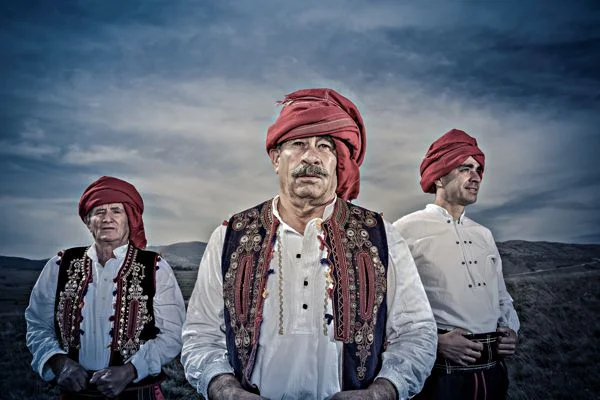
Ganga is, in fact, a two-part song in which one singer begins and sings, while one, two or more ganga singers accompany them. Ganga is performed equally by men and women.